The cure for loneliness is a disaster plan
Neighbors are Infrastructure
The first responder lives a few hundred feet from you.
The night the Eaton Fire reached Altadena, neighbors arrived before the official alerts did. They knocked on doors, woke sleeping households, and drove other people's parents and pets out of the smoke. Eighteen months later, block-level networks formed during the fire still run much of the recovery. Similar accounts came out of Hurricane Helene, and they match decades of research from almost every major disaster: neighborhood connectedness is one of the strongest predictors of survival.
Meanwhile, people are more isolated than ever. Third spaces have thinned out, careers pull people far from their hometowns, and social life keeps shifting toward the screen. Your neighbor cannot save your life if they know nothing about you.
Safety and belonging are side effects of the same practice
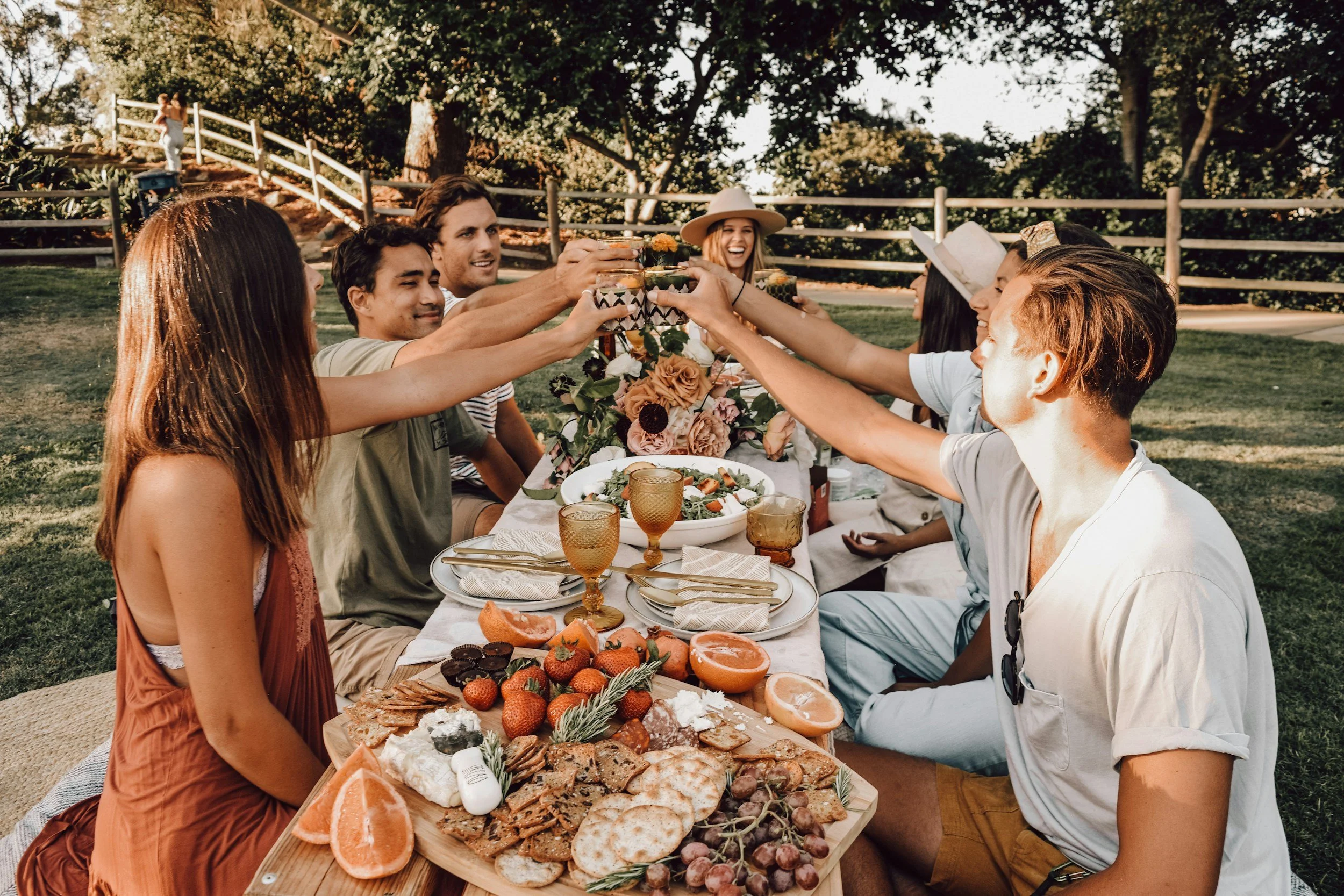
The best disaster plans go beyond a bunker or a kit of supplies. They are systems you build with your neighbors while the skies are blue, so mobilizing is easy when things get tough. Repetition comes from gatherings people already enjoy: the block party, the potluck, the folding table on the sidewalk. Each one doubles as a readiness exercise without feeling like one.
How to create a preparedness plan
For your household and your block, built around who owns a generator, who owns a truck, and who needs extra time to leave.
How to go first
Opening these conversations one on one, and finding the vulnerability to share what makes you reachable.
Tools to mobilize your block
From the first hello to a working network, with structures sustained by joy rather than fear.
About Nneka
Nneka Kibuule is the founder and CEO of Kino Cove, a household resilience platform built in Oakland. She brings two decades across clean energy, customer innovation, corporate strategy, and climate investing, including roles at Pacific Gas and Electric, NextEra Energy, Aligned Climate Capital, and Elemental Impact. She is trained in emergency management and worked in wildfire response.
Atlantic Council Climate Fellow
Alameda County Master Gardener
Speaker: Milken Institute, Techonomy Climate, Net Zero Conference, ClimateCAP, and more