Light and Power
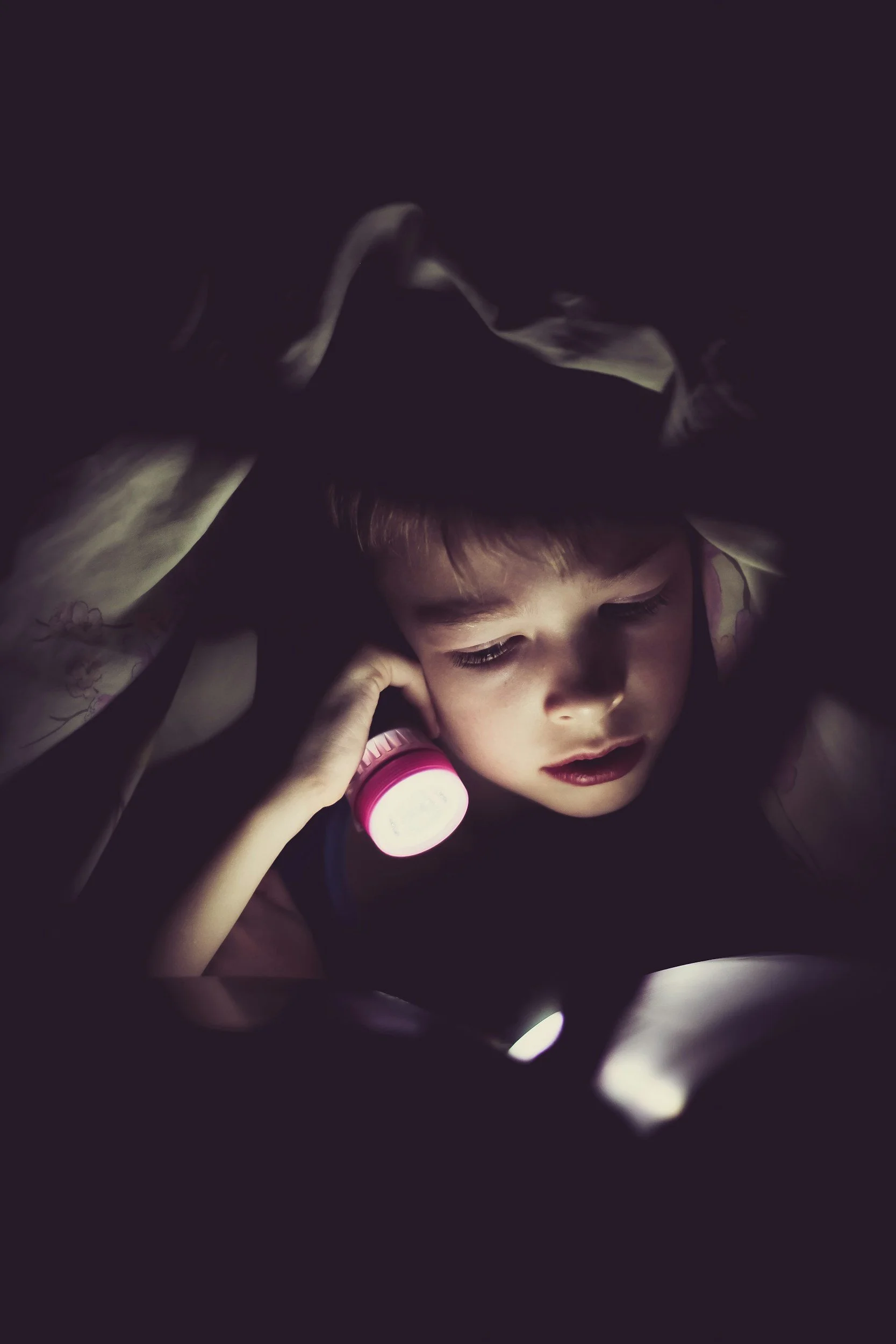
Category 3: Light and Power
Emergency Lighting
What you need:
Flashlights (one per person minimum)
LED headlamps (hands-free is crucial)
LED lanterns (for ambient room lighting)
Battery-powered or hand-crank lights
Plenty of extra batteries
Don't rely on:
Candles alone (fire hazard, especially in earthquakes or with kids)
Phone flashlight (saves battery for communication)
Best practices:
Store flashlight near each bed
Keep one by main entrance
Test monthly
Replace batteries annually
Backup Power
Phone and device charging:
Portable battery banks (20,000+ mAh, keep charged)
Solar chargers (for extended outages)
Car charger and car inverter
Hand-crank chargers (backup option)
For medical devices:
Backup batteries
Generator (if critical medical equipment)
Inform utility company you have medical needs (priority restoration)
For refrigeration:
Keep freezer/fridge closed (food stays cold 4-48 hours)
Group items together in freezer (stays cold longer)
Use coolers with ice for essentials
Know what to discard after outage
Emergency radio:
Battery-powered or hand-crank NOAA weather radio
Receive emergency alerts and information
Some include phone charging capability
Test regularly
Resources
Ready.gov Power Outages: https://www.ready.gov/power-outages