Winter Storms and Blizzards
Significant winter precipitation (snow, sleet, freezing rain, ice) and low temperatures, causing potential hazards like power outages, dangerous roads, and communication failures, ranging from moderate snowfall to severe blizzards
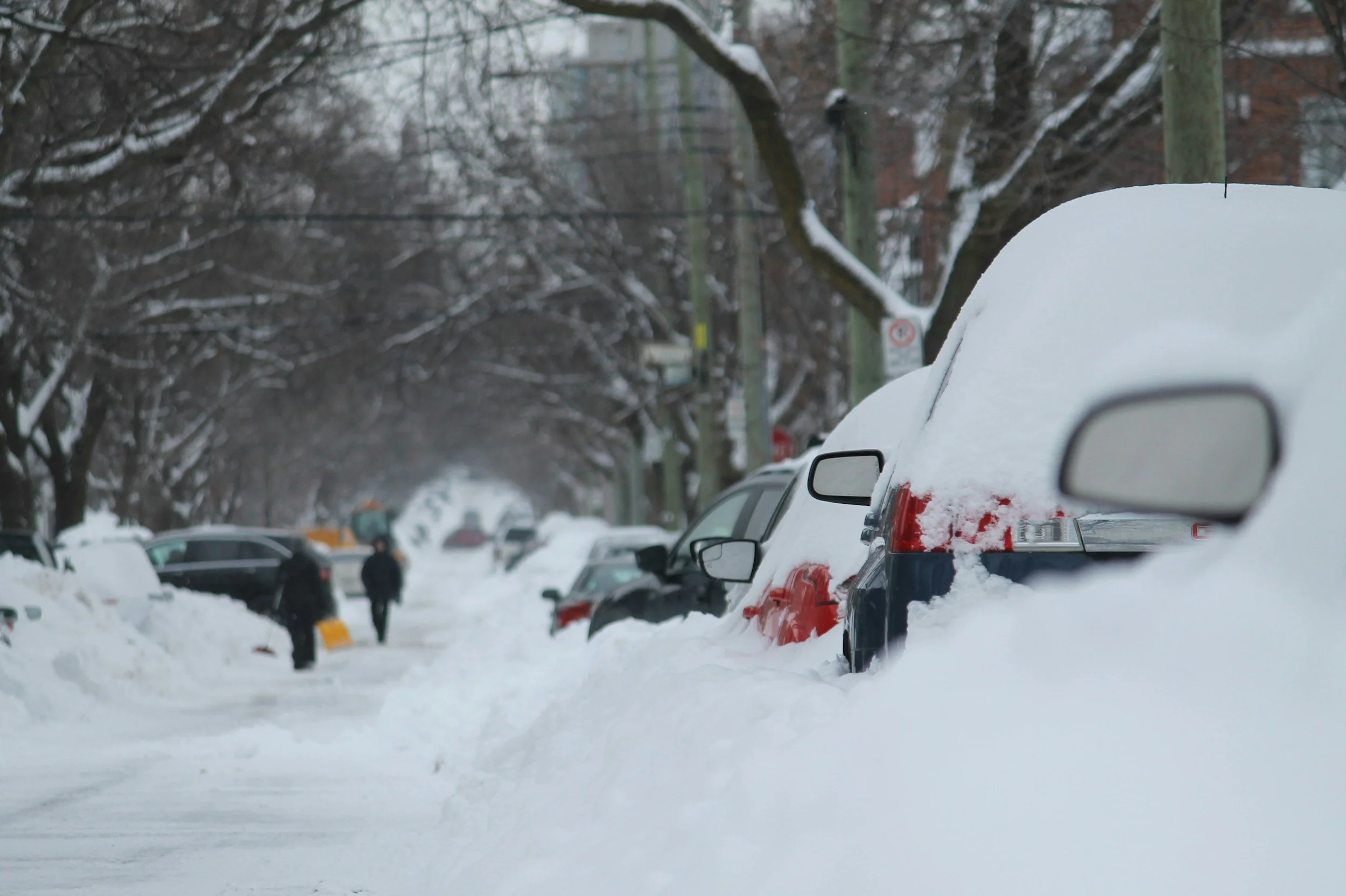
WINTER STORMS & BLIZZARDS
Where They Occur:
Northern states, mountain regions, and areas with cold continental climates. Most severe in the northern Plains, upper Midwest, Great Lakes, and Northeast, but can affect much of the country including southern states not equipped for severe winter weather.
Key Risks:
Hypothermia, frostbite, carbon monoxide poisoning, power outages, frozen pipes, dangerous travel conditions, and roof collapse from snow load.
Before Winter:
Service heating systems and clean chimneys
Insulate pipes and know how to shut off water in case pipes burst
Stock emergency heating sources (fireplace wood, portable heaters—used safely)
Have carbon monoxide detectors on every floor
Maintain emergency supplies: blankets, warm clothing, food, water, medications, flashlights, batteries, first aid kit
Keep vehicle winter-ready with emergency supplies, ice scraper, blanket, jumper cables, and sand or cat litter for traction
During a Winter Storm:
Stay indoors and dress in layers
Close off unneeded rooms to conserve heat
Never use generators, grills, or camp stoves indoors (carbon monoxide danger)
Avoid overexertion when shoveling snow
If traveling, keep your gas tank at least half full
If stranded in a vehicle, stay in the car, run engine sparingly for heat (clear exhaust pipe of snow), and use hazard lights
After a Winter Storm:
Check on neighbors, especially elderly or vulnerable individuals
Remove snow from roof if accumulation is extreme (hire professionals for safety)
Thaw frozen pipes slowly with warm air, never open flames
Replenish emergency supplies
Resources:
National Weather Service Winter Weather: weather.gov/winter
Ready.gov Winter Storms: ready.gov/winter-weather
CDC Winter Weather: cdc.gov/disasters/winter