Extreme Heat
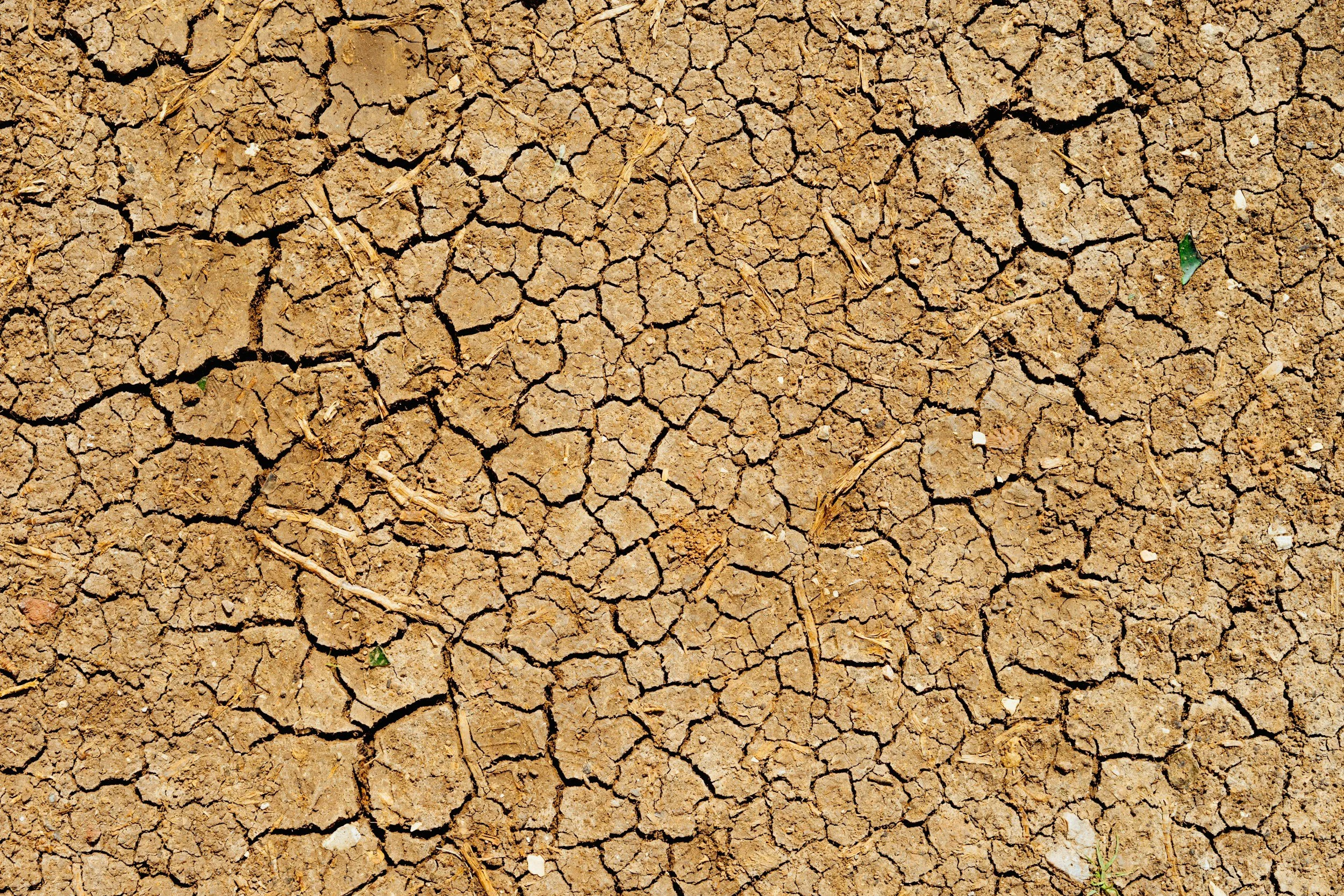
a prolonged period (typically 2-3 days) of high temperatures (above 90°F), especially with high humidity, that affects the body’s ability to cool itself, leading to heat exhaustion, heat stroke, and potentially death
Where It Occurs:
All states, but most severe and prolonged in the Southwest, Southern Plains, and Southeast. Urban areas experience intensified heat due to the "heat island effect."
Key Risks:
Heat exhaustion, heat stroke, dehydration, cardiovascular stress, and increased mortality especially among elderly, young children, and those with chronic health conditions.
Before Heat Season:
Ensure air conditioning is working or identify cooling centers in your area
Install weather stripping and window treatments to keep heat out
Know the signs of heat-related illness
Identify vulnerable people in your network who may need assistance
During Extreme Heat:
Stay in air-conditioned spaces as much as possible
Drink plenty of water even if not thirsty (avoid alcohol and caffeine)
Avoid strenuous activity during peak heat hours (10 AM - 4 PM)
Wear lightweight, light-colored, loose-fitting clothing
Never leave children or pets in vehicles
Check on at-risk neighbors and family members
Use fans only when temperature is below 95°F (above that, fans increase heat stress)
After Extreme Heat:
Continue hydrating
Monitor for delayed symptoms of heat illness
Assess vulnerable community members
Resources:
CDC Extreme Heat: cdc.gov/disasters/extremeheat
NOAA Heat Index: weather.gov/safety/heat-index
Ready.gov Extreme Heat: ready.gov/heat