Flooding
An excess of water on land that is normally dry. The overflow of inland or tidal waters; unusual and rapid accumulation or runoff of surface waters from any source; and mudflow
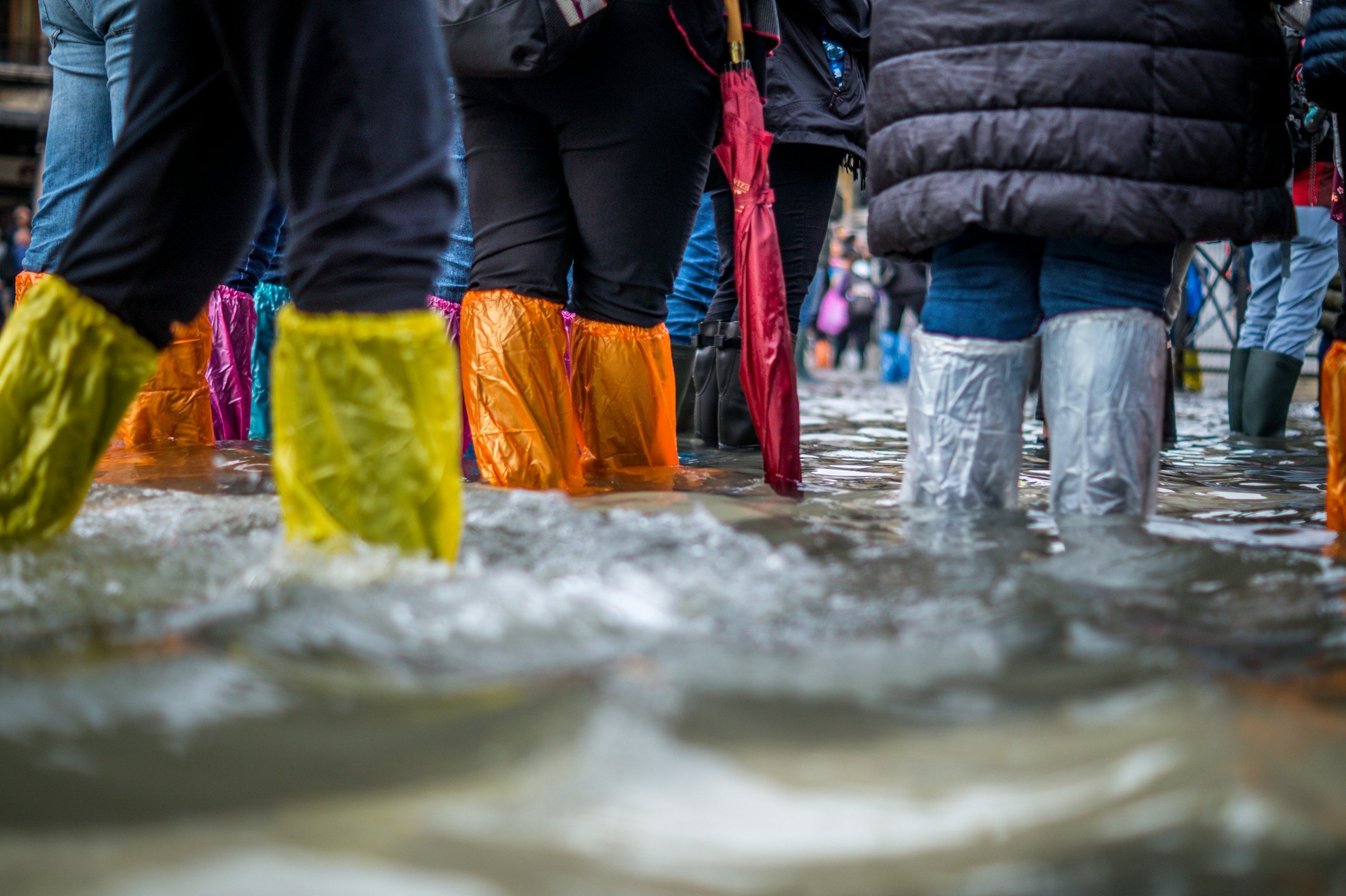
FLOODING
Where They Occur:
Flood risk exists in all 50 states. Highest risk areas include coastal regions, areas near rivers and streams, low-lying plains, and regions with poor drainage infrastructure.
Key Risks:
Drowning, waterborne disease, contamination of water supplies, structural damage, mold growth, and displacement.
Before a Flood:
Know your flood risk by checking FEMA flood maps at msc.fema.gov
Consider flood insurance (standard homeowners policies don't cover flooding)
Create a family evacuation plan with multiple routes out of your area
Prepare a "go bag" with essentials: medications, important documents, phone chargers, change of clothes, water, and snacks
Install check valves in plumbing to prevent backups
Clear debris from gutters and drains around your property
Elevate critical utilities (electrical panels, heating systems) if possible
During a Flood:
Never walk or drive through flood waters—just 6 inches of moving water can knock you down; 12 inches can carry away a vehicle
If advised to evacuate, do so immediately
Move to higher ground
Avoid contact with flood water when possible—it may be contaminated with sewage, chemicals, or debris
Stay away from downed power lines and electrical wires
After a Flood:
Only return home when authorities say it's safe
Avoid flood water and standing water—it may be electrically charged or contaminated
Document damage with photos for insurance claims
Remove water-damaged materials within 24-48 hours to prevent mold growth
Discard any food that came into contact with flood water
Have your home professionally inspected before re-occupying
Resources:
FEMA Flood Information: ready.gov/floods
National Flood Insurance Program: floodsmart.gov
CDC Flood Safety: cdc.gov/disasters/floods