EARTHQUAKES
The sudden slipping or movement of the Earth's crust, caused by the release of built-up stress along fault lines, resulting in ground shaking, tremors, and seismic energy release, usually originating within 25 miles of the surface
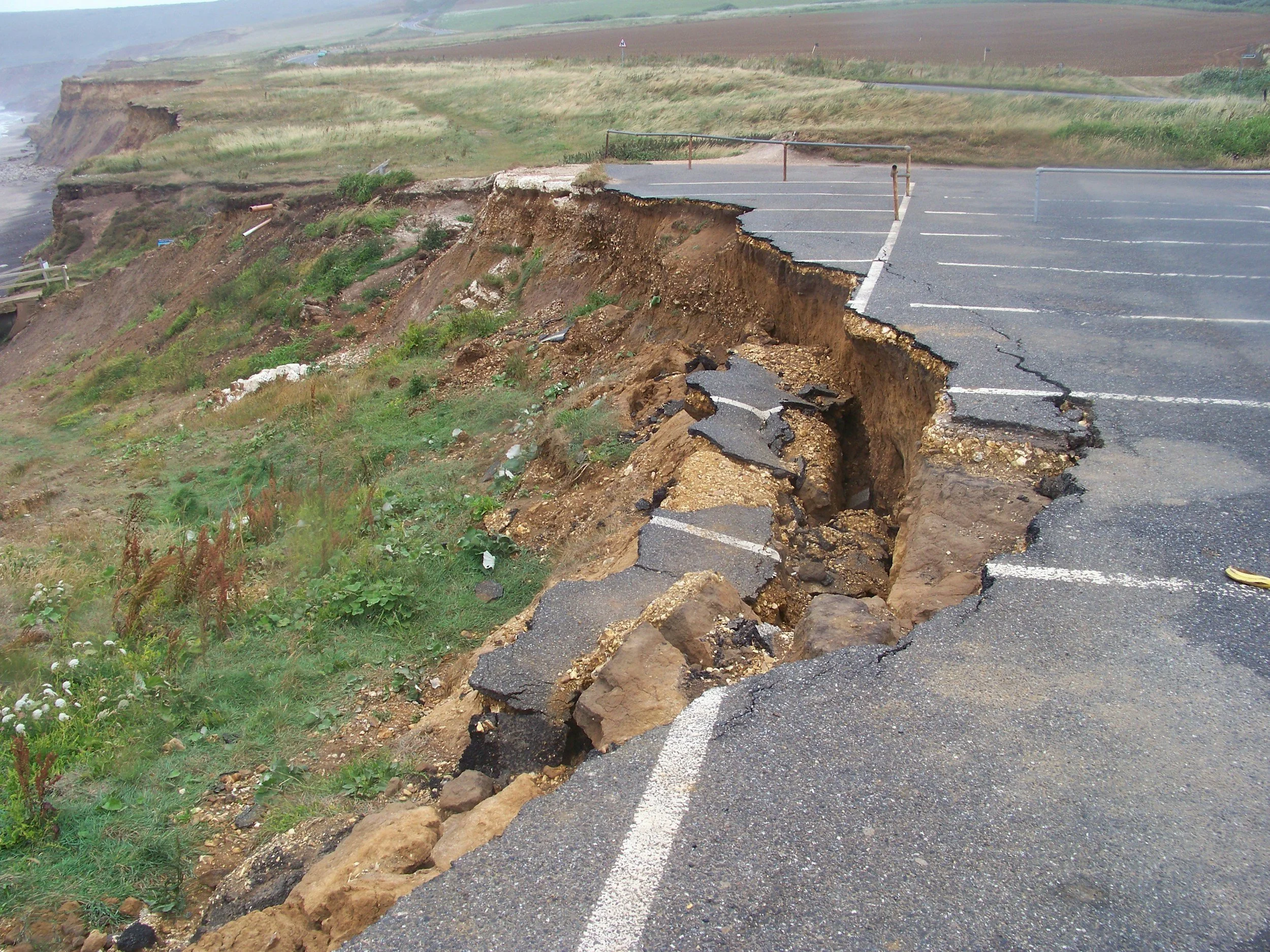
EARTHQUAKES
Where They Occur:
Most prevalent in California, Alaska, Washington, Oregon, Nevada, Hawaii, and parts of the central United States along the New Madrid Seismic Zone (affecting Missouri, Arkansas, Tennessee, Kentucky, Illinois, Indiana, and Mississippi).
Key Risks:
Structural damage, gas leaks, fires, tsunamis (coastal areas), and aftershocks.
Before an Earthquake:
Secure heavy furniture, water heaters, and large appliances to walls with brackets or straps
Store breakables on lower shelves or in secured cabinets
Identify safe spots in each room (under sturdy desks, against interior walls, away from windows)
Create a family communication plan and practice "Drop, Cover, and Hold On" drills
Keep emergency supplies including water (1 gallon per person per day for 3 days), non-perishable food, first aid kit, flashlight, battery-powered radio, and important documents in waterproof containers
Maintain adequate homeowners or renters insurance with earthquake coverage if available
During an Earthquake:
Drop to your hands and knees, cover your head and neck under sturdy furniture, hold on until shaking stops
If indoors, stay indoors—do not run outside where falling debris poses the greatest risk
If in bed, stay there and cover your head with a pillow
If outdoors, move away from buildings, trees, streetlights, and utility wires
If driving, pull over safely away from overpasses, bridges, and power lines, and stay inside the vehicle
After an Earthquake:
Check for injuries and provide first aid
Inspect your home for damage—if structure seems unsafe, evacuate and do not re-enter
Turn off gas if you smell or suspect a leak
Clean up spilled hazardous materials immediately
Be prepared for aftershocks and have your emergency supplies ready
Use text messages rather than phone calls to communicate (less strain on networks)
Resources:
USGS Earthquake Hazards Program: earthquake.usgs.gov
ShakeOut Earthquake Drills: shakeout.org
FEMA Earthquake Safety: ready.gov/earthquakes