Knowing Your Utility Shutoffs
Step 6: Knowing Your Utility Shutoffs
What You Need to Know
In earthquakes, floods, hurricanes, or even major home accidents, you may need to shut off gas, water, or electricity quickly. Knowing where these shutoffs are and how to use them is essential knowledge for every household.
Gas Shutoff
Why it matters: Gas leaks after earthquakes or accidents can cause explosions and fires.
Where it is: Look for your gas meter (usually outside, on the side of your house). The shutoff valve is on the pipe leading into the meter.
What you need: An adjustable wrench or specific gas shutoff wrench (keep it near the meter)
How to shut it off:
Turn the valve a quarter turn until it's perpendicular to the pipe
You'll feel resistance—use firm pressure
Once off, DO NOT turn it back on yourself—only the gas company should do this
CRITICAL: When to shut off gas:
You smell natural gas (rotten egg smell)
You hear a hissing sound near gas lines
After a significant earthquake in your area
Local authorities tell you to
When NOT to shut off gas:
"Just in case" or as a precautionary measure
After every small earthquake
Take a photo of your gas shutoff valve location and save it in your phone.
Water Shutoff
Why it matters: Broken pipes can flood your home and cause extensive damage.
Where it is:
Main shutoff: Usually in the basement, crawl space, or outside near the water meter
Individual fixtures: Each toilet, sink, and appliance usually has its own shutoff valve
How to shut it off:
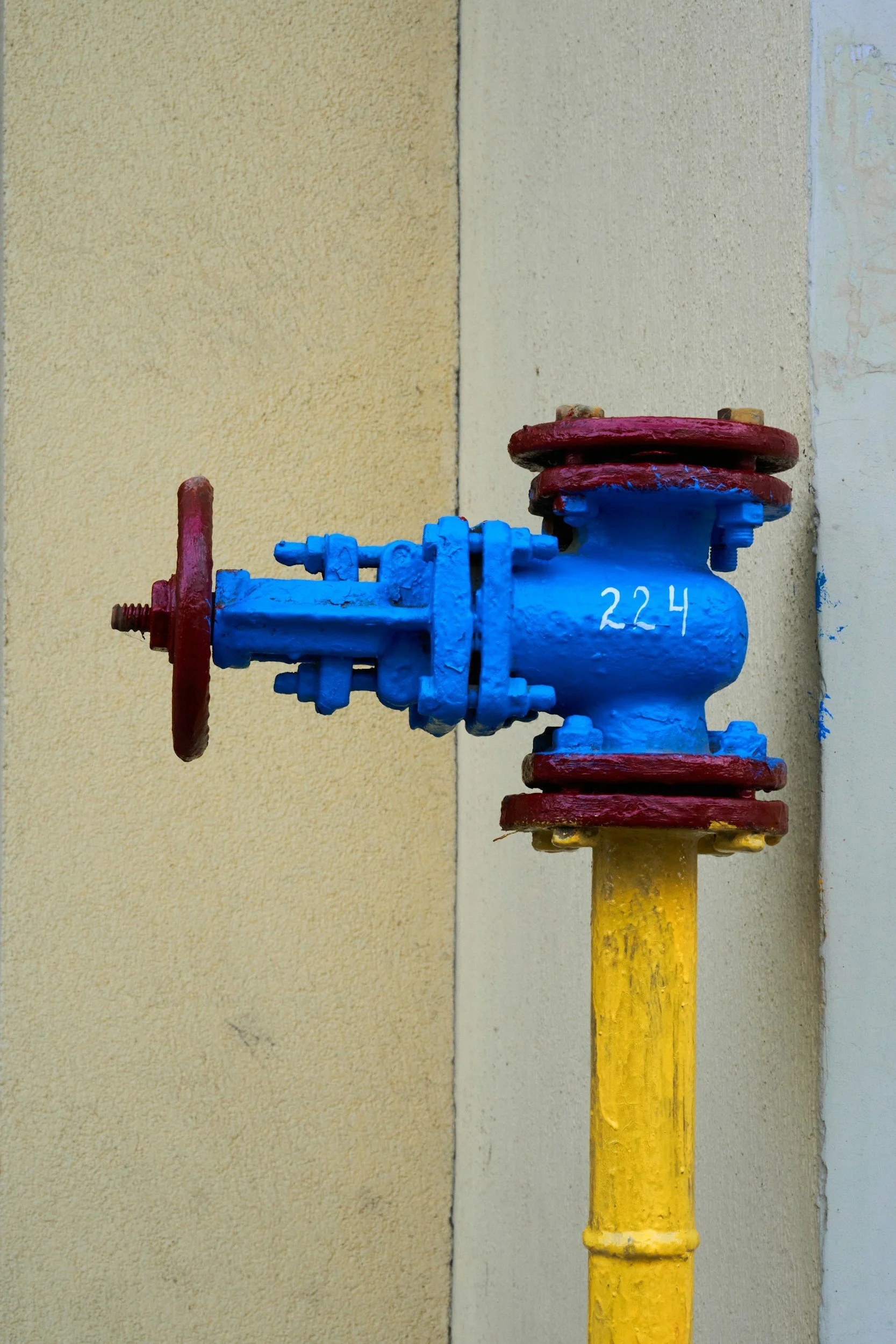
Gate valve (wheel-like handle): Turn clockwise until it stops
Ball valve(lever handle): Turn 90 degrees
When to shut off water:
Broken or burst pipe
Major leak
Flooding in your home
Evacuation for extended period
Test your main water shutoff once a year to make sure it's not stuck or corroded.
Electrical Shutoff
Why it matters: In situations like a flood or damaged wiring, knowing the main shutoff prevents electrocution or fire.
Where it is: Your main electrical panel (breaker box or fuse box), typically in basement, garage, utility room, or outside
How to shut it off:
Circuit breaker panel: Flip the main breaker (largest switch, usually at the top) to OFF
Fuse box: Pull out the main fuse block
When to shut off electricity:
Standing water in your home (flood risk)
Electrical fire smell or sparks
Severe storm approaching
Major home damage where wires might be exposed
NEVER stand in water when touching your electrical panel.
Label Everything
Make it easy for anyone:
Use a permanent marker or label maker
Mark main shutoff valves clearly
Put instructions on your electrical panel
Include these locations in your family emergency plan
Resources
Red Cross Utility Shutoff: https://www.redcross.org/get-help/how-to-prepare-for-emergencies/make-a-plan.html
FEMA Home Safety: https://www.ready.gov/safety-skills