Storage and Scaling Up Your emergency Kit
Storage and Scaling Up Your emergency Kit
Storage Locations
Best places:
Basement or lowest floor (earthquake-safe)
Interior closet (protected from storms)
Under beds (accessible, space-efficient)
Hall closet (central location)
Garage (if climate-controlled and secure)
Not ideal:
Attic (hard to access, temperature extremes)
Outdoor shed (not accessible if exterior damage)
Single location (consider distributed storage)
Organization tips:
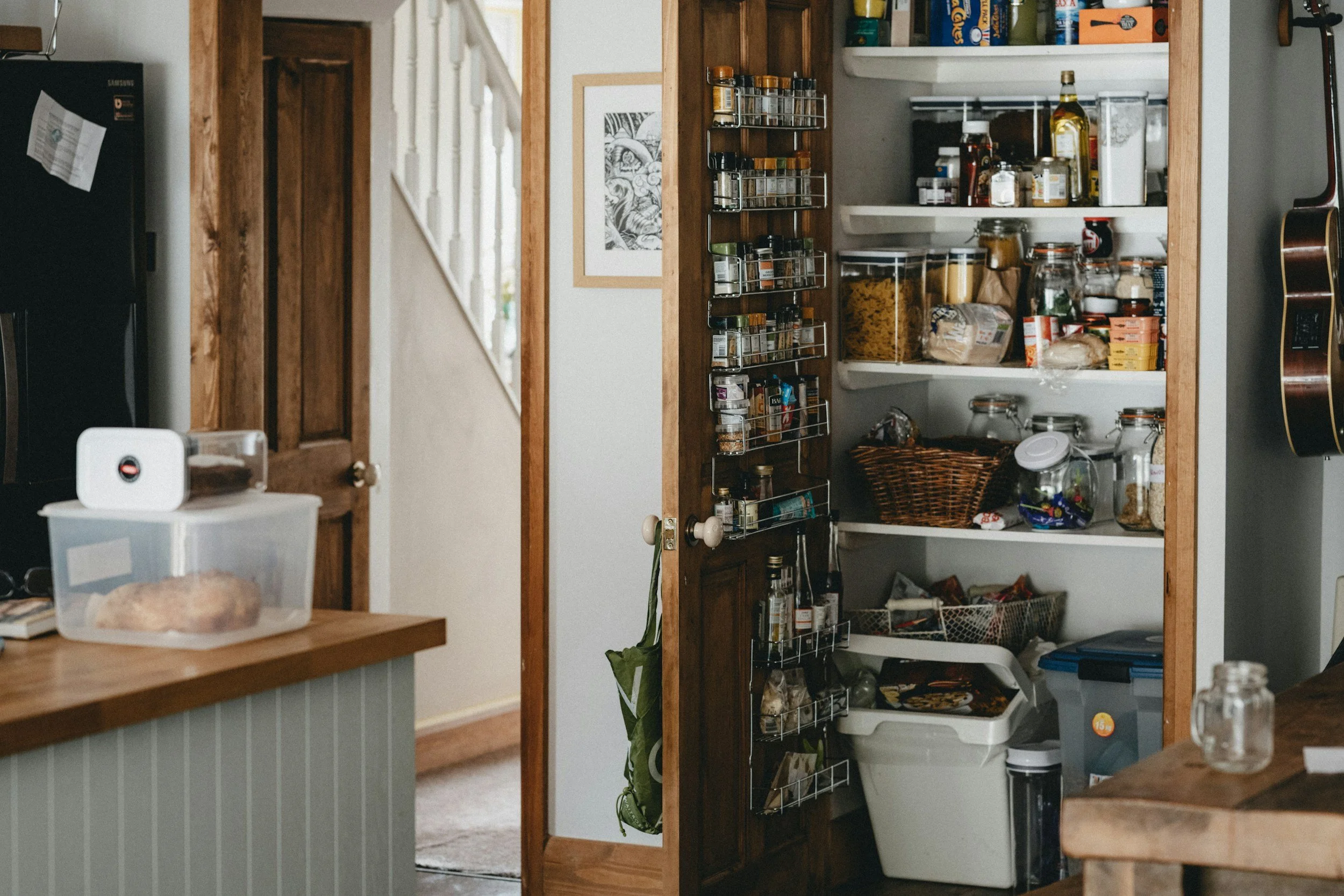
Use clear plastic bins (see contents)
Label everything clearly
Group by category
Keep inventory list on outside of bin
Store heavy items on bottom shelves
Start Small and Build
Building Your Kit on a Budget
Week 1: Water
Add 2-3 gallons of water to grocery cart
Cost: $5-10
Week 2: Canned Goods
Buy extra canned proteins, beans, soups
Cost: $15-20
Week 3: Dry Goods
Pasta, rice, crackers, peanut butter
Cost: $10-15
Week 4: Hygiene
Extra TP, soap, hand sanitizer
Cost: $10-15
Week 5: First Aid
Bandages, pain relievers, antibiotic ointment
Cost: $20-30
Week 6: Light and Power
Flashlights and batteries
Cost: $15-25
Continue adding one category at a time until complete.
Free or Low-Cost Strategies
Save money by:
Using containers you have (cleaned juice bottles for water)
Shopping sales and using coupons
Buying store brands
Purchasing in bulk
Asking for emergency supplies as gifts
Trading skills with neighbors (you help them, they help you)
Checking dollar stores for basics
Using camping gear you already own
Scaling Up: Beyond 3 Days
If you want to prepare for longer:
7 days (recommended):
Double everything (especially water and food)
Add more hygiene supplies
Consider backup heat source (winter)
More entertainment options
2 weeks:
Focus on comfort items
Add cooking capability (camp stove, fuel)
Consider long-term water storage
More variety in food
1 month+:
Bulk food storage (rice, beans, flour)
Water filtration system
Serious consideration of backup power
Garden planning
Skills development (food preservation, first aid)
Start with 3 days. Master that. Then expand gradually.