Out of Area Meeting Point
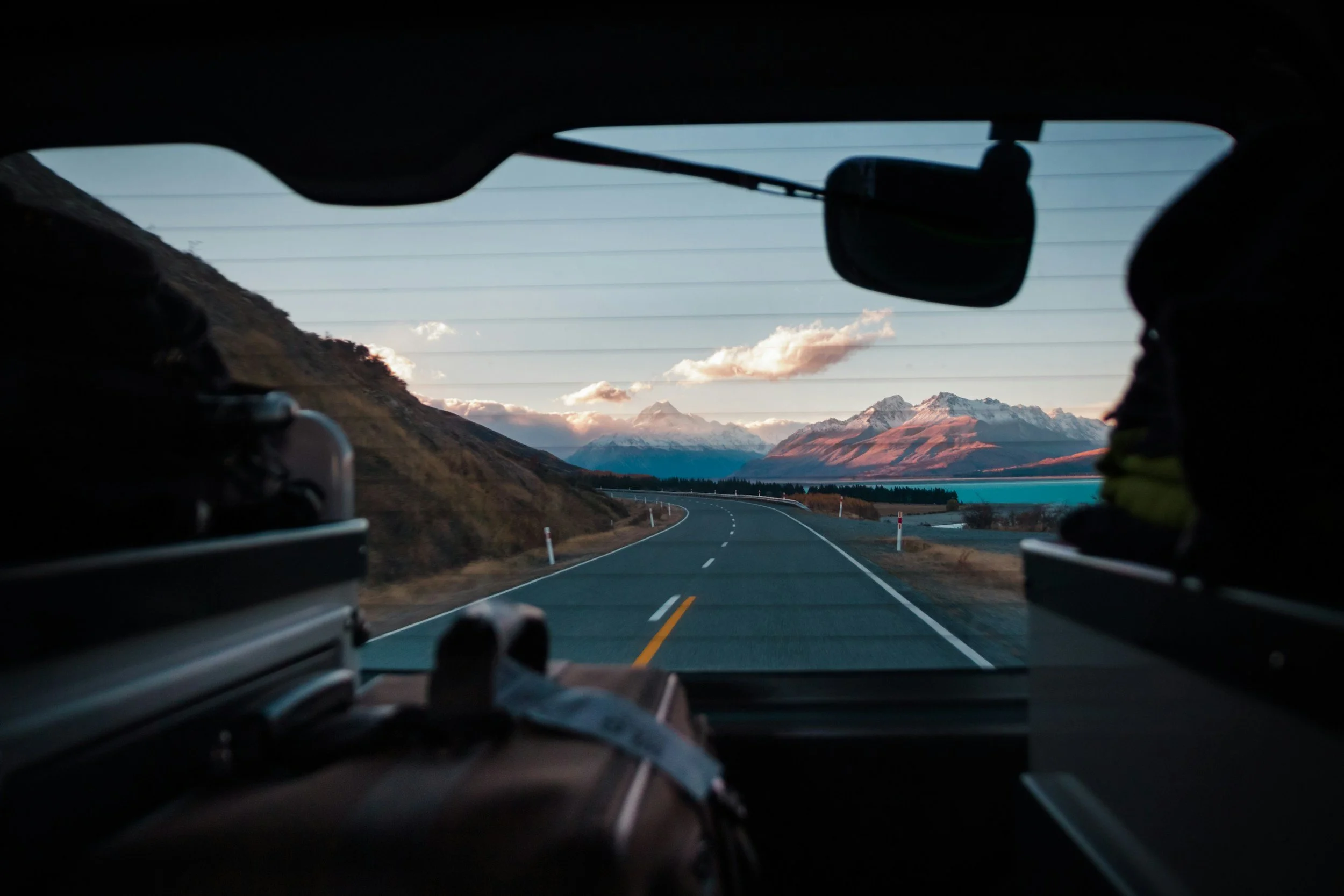
Type 3: Out-of-Area Evacuation Destination
What This Is For
Your out-of-area evacuation destination is where you go for major disasters that require leaving your entire region: wildfires, hurricanes, major flooding, or any situation where authorities order widespread evacuation.
This is different from the first two meeting points because you're not just leaving your house or neighborhood—you're leaving your whole area. This destination needs to be far enough away to be safe from the disaster but close enough to be reachable.
Criteria for Your Out-of-Area Destination
Your evacuation destination should be:
Far enough - At least 50-100 miles away (outside the disaster zone)
Safe from your primary hazards - If you're in hurricane territory, don't pick another coastal city
Has resources - Hotels, supplies, gas stations, hospitals
Known and accessible - Everyone knows how to get there
Multiple routes available - More than one way to drive there
Communication possible - Can call to confirm you're coming
Good options:
1. Family or Friends' Home
Most comfortable option
Free (usually)
People who care about you
Pets may be welcome
Requirement: Discuss this with them IN ADVANCE. "If we ever have to evacuate, could we come stay with you?" Get their explicit agreement and save their address.
2. Specific Hotel Chain
Choose a chain with locations in multiple directions from you
Many hotels have disaster evacuation rates
Book early if evacuation is announced
Research: Identify 2-3 hotels in different directions, save phone numbers and addresses
3. Designated Evacuation Shelter
Free
Basic necessities provided
Official information available
Know: Where your county's evacuation shelters are located (check county emergency management website)
4. Second Home or Vacation Property
If you're fortunate enough to have one
Already stocked with supplies
Familiar location
Prepare: Keep it stocked with basics
Choose Your Out-of-Area Destination Now
Think about your disaster risks:
Wildfires: Where's upwind and away from forest?
Hurricanes: Where's inland and higher elevation?
Earthquakes: Where's far from major fault lines?
Floods: Where's out of the watershed?
Identify 2-3 options in different directions:
Option 1 (North):
Who/where: "Aunt Sarah's house in Portland"
Address: [Full address]
Phone: [Save in everyone's phone]
Distance: 150 miles / 3 hours drive
Route notes: "Take I-5 North, exit 299"
Discussed with them? Yes/No (if no, have this conversation!)
Option 2 (East):
Who/where: "La Quinta Inn, Sacramento"
Address and phone: [Specific location info]
Distance: 100 miles / 2 hours drive
Route notes: "Take Highway 80 East"
Pet-friendly? Check their policy
Option 3 (South):
Who/where: "County evacuation shelter, Fresno Convention Center"
Address: [Full address]
Distance: 200 miles / 3.5 hours drive
Notes: "Last resort if other options aren't available"
Map Your Evacuation Routes
For each destination, identify:
Primary route:
Main highways you'd take
Expected drive time
Known traffic bottlenecks
Alternate route:
Different highways/roads
What it avoids
When you'd use it (if primary is jammed or damaged)
Print or save offline maps - Don't rely only on GPS, which may not work in disasters.
Note:
Gas stations along the way
Rest stops
Hospitals (in case of emergency)
Where to turn around if route is impassable
What to Pack for Evacuation
When evacuating to your out-of-area destination, you have more time than a near-home evacuation but less than unlimited time. Here's what to take:
Essential (grab these first):
Your go-bag (Guide 4)
Pets and pet supplies
Medications (at least 7 days)
Important documents
Phone chargers
Prescription glasses/hearing aids
Any critical medical equipment
If you have time:
Changes of clothes
Toiletries
Laptops/tablets
Family photos or irreplaceable items
Valuables
Cash/credit cards
Comfort items for kids
Don't take:
Things that can be replaced
So much that you can't move quickly
Anything that slows down your evacuation
Practice Your Evacuation
Yes, actually drive there:
Pick a nice weekend and make it a fun trip:
1. Drive to your evacuation destination (visit that relative, scout that hotel area)
2. Use both routes - Drive there one way, back another way
3. Time it - How long does it really take?
4. Note landmarks - "After the big water tower, turn left"
5. Find gas stations - Where would you stop if you needed fuel?
6. Take photos - Of key turns, landmarks, the destination itself
Make it enjoyable: "We're going to visit Aunt Sarah and on the way we're going to learn our evacuation route!" Stop for ice cream. Make it a positive memory, not a scary drill.
When to Leave
Don't wait to be ordered to evacuate. Consider leaving early if:
Weather forecasts show major storm approaching
Wildfires are within 10-20 miles
Authorities say "voluntary evacuation"
Traffic is going to be terrible if you wait
You have young children, elderly family, or special needs
Leaving early means:
Less traffic
More hotel availability
Less stress
More time to prepare your home
You can return if it's a false alarm
What to Do Before You Leave
If you have 30+ minutes before evacuating:
1. Close and lock windows and doors
2. Turn off gas at the meter (if instructed or if you smell gas)
3. Unplug appliances (reduces fire risk)
4. Turn off air conditioning (reduces ember entry in wildfires)
5. Move flammable furniture away from windows
6. Close interior doors (slows fire spread)
7. Leave lights on (helps firefighters see your house)
8. Leave gates unlocked (lets firefighters access your property)
9. Leave a note saying where you went and when
10. Take photos of your home and possessions (for insurance)
When You Arrive
Once you reach your evacuation destination:
1. Contact your out-of-area emergency contact
2. Update social media or send group text: "We're safe in [location]"
3. Register with Red Cross Safe and Well: https://www.redcross.org/get-help/disaster-relief-and-recovery-services/contact-and-locate-loved-ones.html
4. Monitor local news from back home
5. Don't return until authorities say it's safe
6. Stay in touch with family and friends
Resources
Ready.gov Evacuation: https://www.ready.gov/evacuation
Red Cross Evacuation Checklist: https://www.redcross.org/get-help/how-to-prepare-for-emergencies/types-of-emergencies/evacuating.html
FEMA Evacuation Routes: https://www.ready.gov/plan