Neighborhood Meeting Point
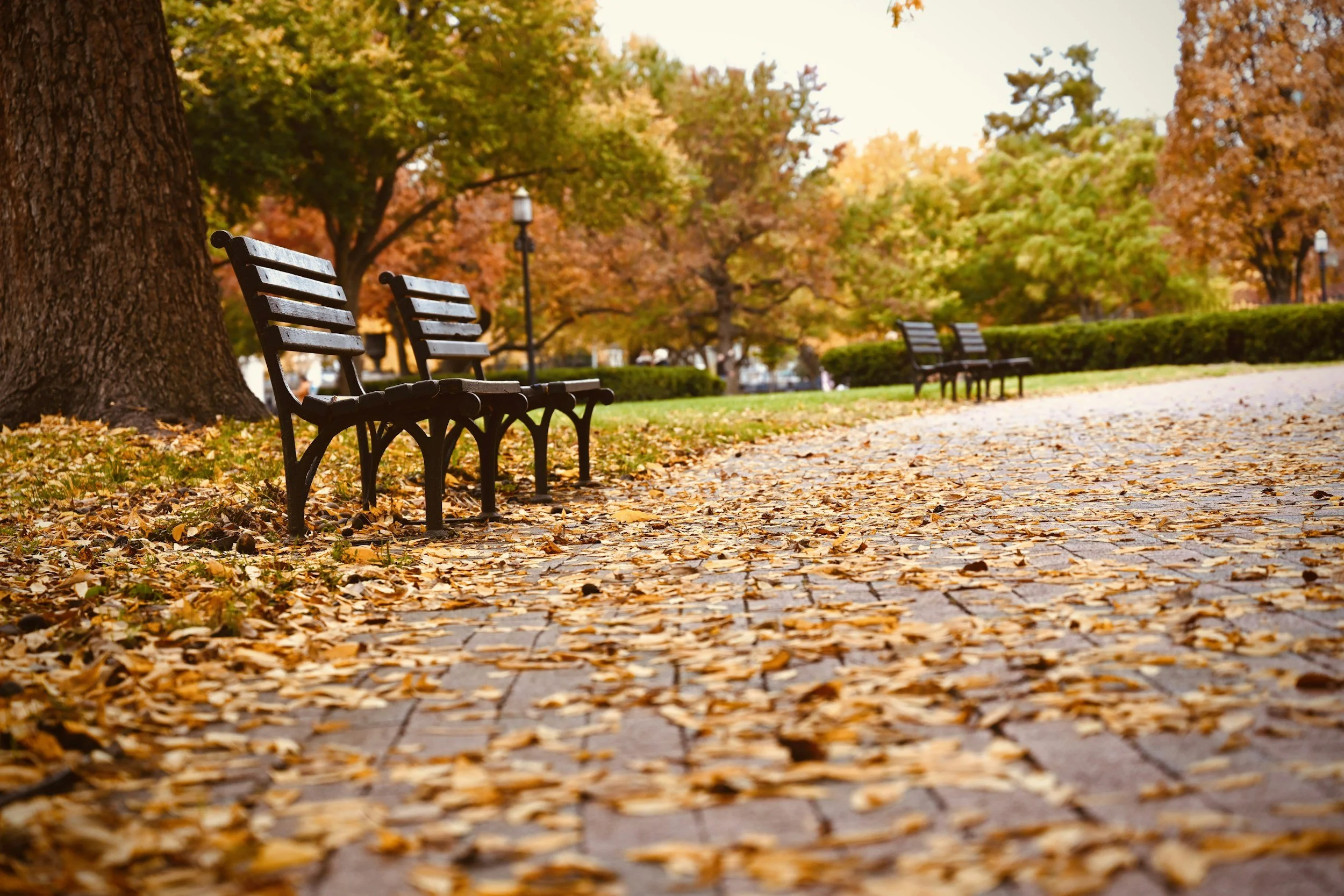
Type 2: Neighborhood Meeting Point
What This Is For
Your neighborhood meeting point is where you go when you can't return home but don't need to leave your general area. This is for situations like:
Gas main break in your neighborhood
Hazmat spill nearby
Downed power lines blocking your street
Your home is damaged but the neighborhood is safe
You need somewhere to wait for hours rather than minutes
This is also your backup if your near-home meeting point isn't accessible for some reason.
Criteria for Your Neighborhood Meeting Point
Your neighborhood meeting point should be:
Walkable - Within 0.5-2 miles (reachable on foot in under 30 minutes)
Public - Somewhere you're allowed to be (park, library, school, community center)
Safe from local hazards - Not in a flood zone if you live in one, not near hazmat plants
Has resources - Ideally has bathrooms, water, shelter from weather
Multiple access routes - Can get there more than one way
Known to everyone - Family members are familiar with it
Likely to be open/accessible - Not somewhere that closes or locks
Good examples:
A local park (with name and address)
Public library
Community center
School (if not in session)
Place of worship
Shopping center parking lot (specific corner)
Fire station (they'll know what to do with you)
Not ideal:
A neighbor's house (they may have evacuated too)
Your workplace (may be affected by same emergency)
Restaurants or businesses (may be closed)
Anywhere in a flood zone, near railways, or near industrial areas
Choose Your Neighborhood Meeting Point Now
Think about public places within a mile of your home:
What parks, schools, libraries, or community centers are nearby?
Write down:
Name: "Lincoln Park"
Specific location within it: "The playground near the Oak Street entrance"
Full address: "450 Oak Street"
What it looks like: "Large playground with red equipment, next to tennis courts"
Map multiple routes to get there:
Primary route: Your usual way
Alternate route: A different way in case primary is blocked
On foot: The walking route if you can't drive
Visit It With Your Family
Take a field trip to your neighborhood meeting point:
1. Drive there together - Follow both routes
2. Walk around - Identify specific spots: "We'll meet at the picnic tables by the parking lot"
3. Take photos - Especially of the specific meeting spot
4. Note landmarks - "It's across from the gas station"
5. Check for facilities - Are there bathrooms? Water fountains? Shelter?
6. Look for information boards - Many parks and public spaces have disaster info
Talk through scenarios:
"If our street is blocked and we can't get home, where would we meet?"
"If we're separated during the day and cell phones don't work, where should we go?"
"If we're here and it starts getting dark, what's our next move?"
What to Do When You Arrive
If you get to your neighborhood meeting point:
1. Wait for family members - Give them reasonable time to arrive
2. Leave a note if you move on - Indicate where you went next
3. Check with any official presence - Park rangers, police, etc.
4. Assess your situation:
Can you return home safely?
Do you need to go to your out-of-area destination?
Do you need to go to an emergency shelter?
5. Try to communicate - Text, call, social media updates
6. Register with Red Cross if this becomes an extended situation
Resources
Red Cross Find a Shelter: https://www.redcross.org/get-help/disaster-relief-and-recovery-services/find-an-open-shelter.html
FEMA Evacuation Guidelines: https://www.ready.gov/evacuation