Bags, Storage, and Maintenance
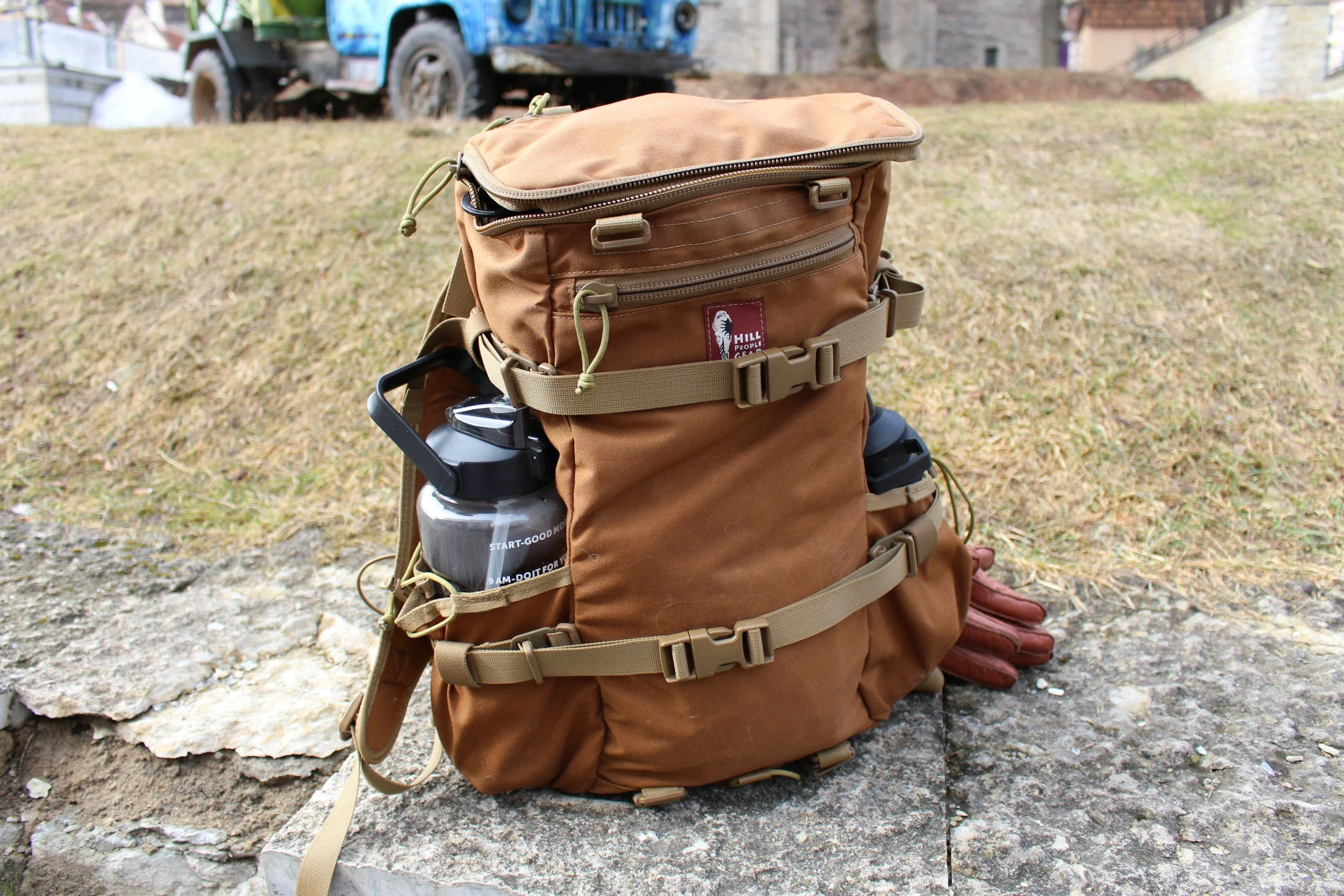
Choosing Your Go-Bag
The Container
What to look for:
Size: 40-60 liter backpack for adults, 20-30 liter for kids
Comfortable: Padded shoulder straps, hip belt
Durable: Water-resistant material, strong zippers
Accessible: Multiple compartments, easy to grab items quickly
Portable: You need to carry this, potentially for miles
Good options:
Hiking backpacks (REI, Osprey, North Face)
Military surplus backpacks (very durable, affordable)
Large duffel bags with shoulder straps (if you can't carry backpack)
Rolling suitcase (only if evacuation will definitely be by car)
Not ideal:
Fashion backpacks (not durable enough)
Plastic bins (not portable)
Garbage bags (not organized or durable)
Budget tip: You don't need expensive gear. You can often thrift a used backpack with sturdy straps for 10 dollars or less. What matters is that it's comfortable to carry and holds your supplies.
Organization Tools
Use these to stay organized:
Packing cubes - Compress clothes, keep items separated
Ziplock bags - Waterproof individual categories (documents, electronics, first aid)
Stuff sacks - Color-code by category
Small containers - Pills, batteries, small items
Label everything: Write contents on ziplock bags with permanent marker
Weight Management
Your packed go-bag should be:
No more than 25-30 lbs for adults
10-15 lbs for children
If you can't comfortably carry it for a mile, it's too heavy
How to reduce weight:
Choose lighter food options (dehydrated instead of canned)
Carry water purification instead of gallons of water
Use multi-purpose items (phone can be flashlight, camera, radio)
Remove packaging (repack items in ziplock bags)
Be ruthless about "nice to have" vs. "need to have"
Where to Store Your Go-Bag
Ideal storage locations:
Primary location:
By your main exit (front door, garage door)
Somewhere you pass daily
Grab-and-go accessible
Out of reach of young children (if contains medication or tools)
In your vehicle (if space allows):
Keeps it with you if you're away from home
Already packed if you need to evacuate from work
Rotate items more frequently (heat affects shelf life)
Consider having multiple:
One per family member
One at home, one at work
One in each vehicle
DON'T store:
In attic or basement (may be inaccessible)
In a locked room (wastes time during evacuation)
Anywhere you have to think about where it is
Maintenance: Keep Your Go-Bag Ready
Every 6 Months (Set Calendar Reminder)
Check and rotate:
☐ Food - Replace items within 6 months of expiration
☐ Water - If using water bottles, dump and refill
☐ Medications - Check expiration dates, rotate to fresh
☐ Batteries - Test and replace if weak
☐ Phone chargers - Make sure fully charged
☐ Clothing - Adjust for season, growing children
☐ Documents - Update any changed information
☐ Cash - Still there? (Kids sometimes "borrow")
Test functionality:
☐ Flashlight works
☐ Radio works
☐ Multi-tool is in good condition
☐ Zippers and backpack still functional
After Using Your Go-Bag
If you use your go-bag in a real emergency:
Immediately restock everything used
Replace anything that got wet or damaged
Update your packing list based on what you wished you'd had
Discuss with family what worked and what didn't